
Blog
Whether it's tips on keeping your teeth bright and white or things to consider when choosing a dental restoration, our blog is here to help!
Our Blogs
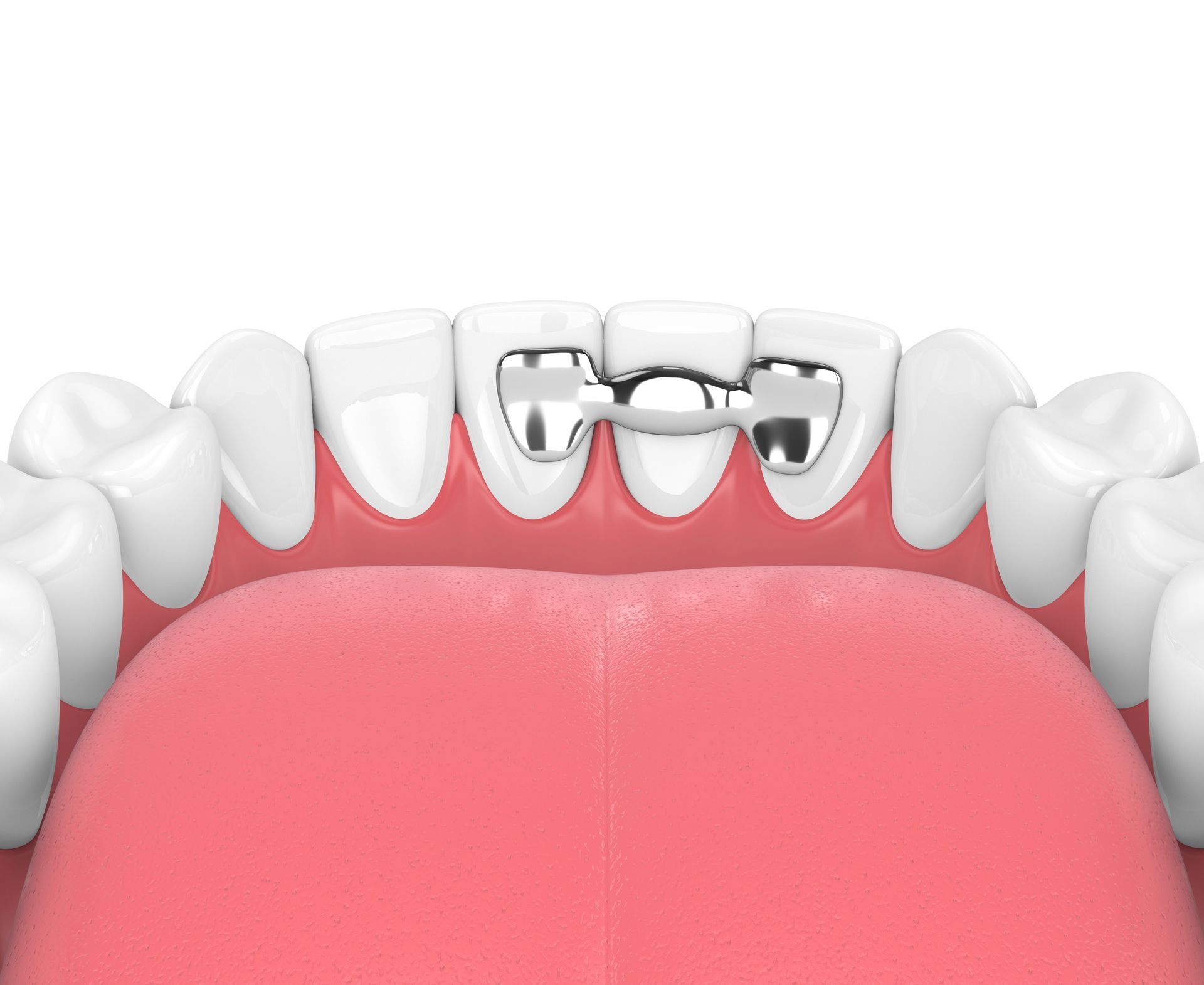
If you've been living with one or more missing teeth, you already know how it affects more than just your appearance. It changes how you eat, how you speak, and often how you feel about yourself in social situations. Maybe you've caught yourself covering your mouth when you laugh, or choosing softer foods to avoid the discomfort of chewing on one side. You're not alone in this experience, and there's a solution that has helped countless Boise residents reclaim both function and confidence: dental bridges. At Atlantis Dental Care, Dr. David Cantwell and his team understand that replacing missing teeth isn't just about filling a gap—it's about restoring your quality of life. A dental bridge is a fixed prosthetic solution designed to literally bridge the space where one or more teeth are missing. Unlike removable dentures that you take out each night, a bridge becomes a permanent part of your smile, anchored securely to the natural teeth on either side of the gap. For busy professionals, parents managing family schedules, and retirees who want reliable, long-term solutions, dental bridges offer the stability and natural appearance you've been hoping for. The team at Atlantis Dental Care takes pride in creating bridges that not only look beautiful but feel comfortable and function just like your natural teeth. What makes dental bridges particularly appealing is how they address multiple concerns at once. When you lose a tooth, the surrounding teeth can gradually shift into that empty space, creating alignment problems and bite issues that compound over time. A bridge prevents this migration while simultaneously restoring your ability to chew properly and speak clearly. Dr. David Cantwell has seen firsthand how this straightforward treatment can transform a patient's daily life, bringing back the simple pleasures of enjoying a meal without worry or smiling freely in photographs. Understanding How Dental Bridges Work at Atlantis Dental Care The process of getting a dental bridge at Atlantis Dental Care begins with a comprehensive consultation where Dr. David Cantwell examines your oral health, discusses your specific needs, and explains exactly what to expect. Transparency is central to everything we do here in Boise, ID, because we believe informed patients make the best decisions about their dental care. During this initial visit, we'll take precise measurements and images of your teeth, ensuring your custom bridge will fit perfectly and look completely natural. A traditional dental bridge consists of one or more artificial teeth (called pontics) held in place by dental crowns that fit over the adjacent natural teeth. These supporting teeth, called abutment teeth, are carefully prepared by Dr. David Cantwell to ensure a secure, comfortable fit. The entire bridge is then custom-crafted to match the color, shape, and size of your existing teeth, so it blends seamlessly with your smile. At Atlantis Dental Care, we use high-quality materials and work with skilled dental laboratories to create restorations that are both durable and beautiful. For patients who've experienced dental anxiety in the past, we want you to know that the bridge placement process is performed with your comfort as our top priority. Many of our Boise patients are pleasantly surprised by how gentle and straightforward the procedure feels. We take time to explain each step, answer every question, and offer options to help you feel completely at ease throughout your treatment. This compassionate, patient-centered approach is what sets Atlantis Dental Care apart as a true dental home for individuals and families alike. The Long-Term Benefits That Matter to Your Daily Life Beyond the immediate improvement to your smile's appearance, dental bridges deliver practical benefits that impact your everyday experiences. Proper chewing function returns, meaning you can enjoy a wider variety of nutritious foods without hesitation or discomfort. Your speech clarity improves if missing teeth had caused whistling or slurring. Perhaps most importantly, a bridge helps maintain your facial structure—when teeth are missing, the jawbone can deteriorate over time, leading to a sunken appearance that ages your face prematurely. Dr. David Cantwell often discusses with patients how dental bridges serve as an investment in long-term oral health. By filling the gap and preventing neighboring teeth from shifting, you're protecting yourself from more complex and costly dental problems down the road. This preventive mindset aligns perfectly with what our Boise patients value: comprehensive care that prioritizes lasting health over temporary fixes. At Atlantis Dental Care , we're focused on helping you maintain your natural teeth and supporting structures for as long as possible. With proper care, including regular brushing, flossing (yes, you can floss around and under a bridge with special threaders), and routine dental exams, a well-made bridge can last 10 to 15 years or even longer. During your regular dental exams at Atlantis Dental Care, we'll check the integrity of your bridge and the health of the supporting teeth, catching any potential issues early. This ongoing relationship is what transforms dental care from a series of isolated appointments into true partnership for your oral health. Making Dental Bridges Affordable and Accessible in Boise We understand that cost considerations are real, especially when you're managing a household budget or planning for retirement. That's why Atlantis Dental Care works with most dental insurance plans and clearly explains your coverage before any treatment begins. Our team will help you understand what your insurance covers for restorative dentistry like bridges, and we'll discuss all your options so there are no surprises. For patients without dental insurance or those seeking additional payment flexibility, Atlantis Dental Care offers solutions designed to make quality dental care accessible. We believe that financial concerns shouldn't prevent anyone in Boise, ID from receiving the treatment they need to restore their smile and oral function. During your consultation, we'll provide a clear, itemized estimate and work with you to create a plan that fits your situation. This commitment to transparency and patient empowerment is part of what makes our practice a trusted choice for families throughout the Boise area. Your Next Step Toward a Complete Smile If you've been wondering whether a dental bridge might be the right solution for your missing teeth, the best way to find out is through a personal conversation with Dr. David Cantwell. Every smile is unique, and so is every treatment plan at Atlantis Dental Care. We'll take the time to understand your concerns, evaluate your oral health, and recommend the approach that best serves your goals—whether that's a traditional bridge, an implant-supported bridge, or another restorative option entirely. You don't have to keep working around that gap in your smile or limiting what you eat. You don't have to feel self-conscious in photos or professional settings. Atlantis Dental Care is here to help you reclaim the confidence and comfort that comes with a complete, healthy smile. Our Boise, ID practice has been built on the foundation of compassionate care, modern technology, and genuine relationships with our patients. We'd be honored to become your trusted dental partner. Ready to explore how a dental bridge could transform your smile and daily life? Call Atlantis Dental Care today at 208-646-1379 to schedule your consultation with Dr. David Cantwell. Whether you're seeking solutions for yourself or looking for a comprehensive dental home where your entire family can receive quality care, we're here to welcome you. Let's work together to restore not just your teeth, but your confidence to smile fully again.
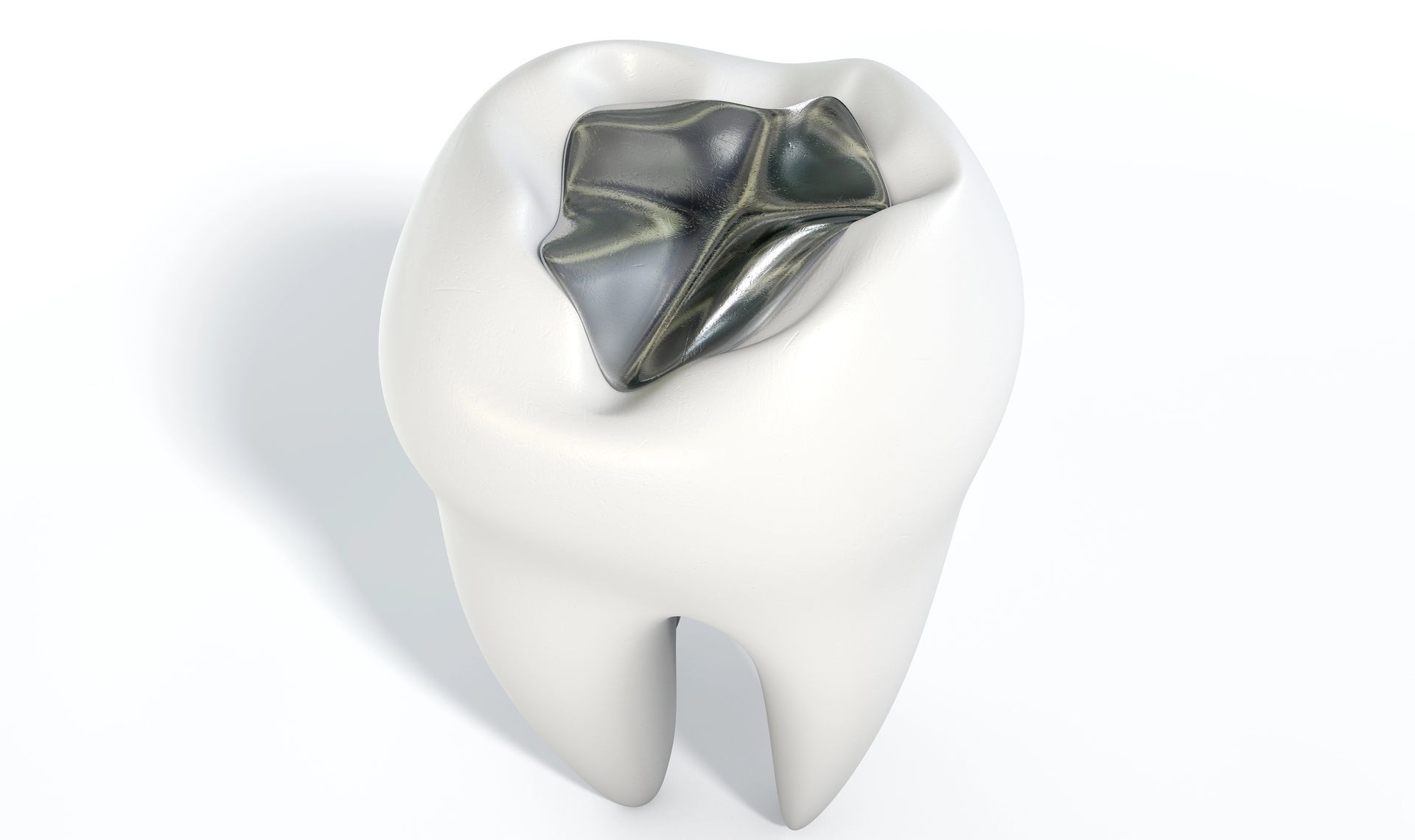
If you've ever had a cavity filled, you've probably wondered: how long will this filling actually hold up? It's a practical question that matters to busy adults and parents in Boise who want to protect their investment in dental care and avoid repeat treatments. At Atlantis Dental Care, Dr. David Cantwell understands that when you take time out of your schedule for dental work, you want results that last. That's why our approach to dental fillings focuses not just on repairing cavities, but on helping you understand what affects filling longevity and how to maximize the lifespan of your restoration. The truth is, dental fillings aren't meant to be permanent—but with proper care and the right materials, they can serve you well for many years. Whether you're managing your own oral health or making decisions for your family, knowing what to expect from a filling helps you plan ahead and make informed choices. Dr. David Cantwell and the team at Atlantis Dental Care believe in transparent communication about your treatment, including realistic expectations about how long your dental work will last and what factors might affect its durability over time. Let's explore what really determines filling lifespan, what you can do to extend it, and how modern dentistry in Boise, ID is making dental fillings more durable than ever before. What Determines How Long a Filling Lasts? The lifespan of a dental filling depends on several interconnected factors, starting with the material used. At Atlantis Dental Care, we primarily use composite resin fillings, which typically last between seven to fifteen years with proper care. These tooth-colored materials blend naturally with your smile and bond directly to your tooth structure, providing both aesthetic appeal and functional strength. Some patients may have older amalgam fillings from previous dental work, which can last fifteen to twenty years or even longer, though many people choose to replace them with composite options for a more natural appearance. Beyond material choice, the size and location of your filling play significant roles in longevity. A small filling on a front tooth that doesn't bear heavy chewing pressure will typically outlast a large filling on a back molar that grinds food daily. Dr. David Cantwell carefully evaluates each cavity to determine the most appropriate filling approach, sometimes recommending alternatives like dental crowns when a cavity is too large for a filling to provide lasting support. This personalized assessment ensures you receive the treatment most likely to serve you well for years to come. Your oral habits also significantly impact filling durability. Teeth grinding, clenching, chewing ice, or using your teeth as tools can shorten a filling's lifespan considerably. At Atlantis Dental Care in Boise, ID, we take time to discuss your habits and lifestyle factors that might affect your dental work. If you're a nighttime grinder, for example, we might suggest a custom nightguard to protect both your natural teeth and any restorations. This comprehensive approach reflects our commitment to helping you maintain your oral health investment over the long term. Signs Your Filling Might Need Replacement Even well-placed fillings eventually wear down, and recognizing the warning signs early can prevent more serious problems. One of the most common indicators is increased sensitivity to hot, cold, or sweet foods and beverages. While some temporary sensitivity immediately after getting a filling is normal, persistent or returning sensitivity months or years later often signals that the filling has developed gaps or wear that's exposing the underlying tooth structure. You might also notice rough edges, cracks, or actual pieces of filling material breaking away. Sometimes a filling that once felt smooth develops sharp edges that catch your tongue or floss. These changes happen gradually as the filling material fatigues from constant pressure and temperature changes in your mouth. During your regular dental exams at Atlantis Dental Care, Dr. David Cantwell checks all existing fillings for these subtle signs of wear that you might not notice yourself. This preventive monitoring allows us to address failing fillings before they lead to larger cavities or tooth fractures. Discoloration around a filling's edges can also indicate problems. While composite fillings can stain slightly over time, darkening at the margin where filling meets tooth often means bacteria are seeping underneath—a situation that requires prompt attention to prevent cavity progression. The professional team at Atlantis Dental Care uses modern diagnostic technology to detect these issues early, when treatment remains straightforward and conservative. Making Your Fillings Last Longer: Practical Steps The good news is that you have considerable control over how long your fillings serve you well. Consistent oral hygiene remains your most powerful tool—brushing twice daily with fluoride toothpaste and flossing once daily removes the bacterial plaque that causes new cavities around existing fillings. Many adults in Boise lead busy lives juggling work, family, and personal commitments, but these few minutes of daily care protect significant investments in your dental health. Regular professional cleanings and exams at Atlantis Dental Care provide the second critical layer of protection. During these visits, we remove hardened tartar that your home care can't address and identify small problems before they become major concerns. Dr. David Cantwell recommends that most patients schedule preventive visits every six months, though some individuals with higher cavity risk may benefit from more frequent monitoring. These appointments aren't just about cleaning—they're opportunities to catch filling wear early and discuss any concerns you've noticed between visits. Your diet choices matter too. Limiting sugary and acidic foods reduces the bacterial activity that can compromise filling margins, while staying hydrated helps maintain saliva flow that naturally protects your teeth. If you experience dental anxiety about maintaining regular care, Atlantis Dental Care offers compassionate support and comfort options that make preventive visits manageable. We understand that past dental experiences or general worry can create barriers to care, and our team works with you to create a comfortable, reassuring environment that encourages rather than discourages regular visits. Modern Filling Materials and Techniques in Boise Dental filling technology has advanced significantly in recent years, and these improvements translate to better outcomes for patients at Atlantis Dental Care. Today's composite resin materials are stronger and more wear-resistant than earlier generations, with improved bonding systems that create more durable seals between filling and tooth. Dr. David Cantwell stays current with these advancements, using proven materials and techniques that maximize filling longevity while maintaining the natural appearance patients value. The placement technique matters just as much as the material itself. Proper isolation of the tooth during filling placement, careful layering of composite material, and thorough curing all contribute to a restoration that will serve you well for years. At Atlantis Dental Care in Boise, we don't rush through procedures—we take the time necessary to do the work right the first time, which ultimately saves you time, discomfort, and expense in the long run. This attention to detail reflects our professional commitment to quality care and our understanding that you're trusting us with your long-term oral health. Your Dental Home for Lasting Care Whether you need a new filling, want an existing filling evaluated, or simply haven't had a professional cleaning recently, Atlantis Dental Care welcomes you and your family. We serve adults, children, and seniors throughout the Boise, ID area, providing comprehensive dental care in one trusted location. Dr. David Cantwell and our entire team are committed to explaining treatments clearly, offering modern technology for your comfort, and supporting you in making informed decisions about your oral health. Don't wait until a small problem becomes a major concern. If you're experiencing sensitivity, noticing changes in an existing filling, or simply want to establish a relationship with a dental practice that values transparency and lasting results, we're here for you. Contact Atlantis Dental Care today at 208-646-1379 to schedule your appointment. We accept most insurance plans and offer flexible payment options to make quality dental care accessible. Your smile deserves a dental partner who cares about more than quick fixes—it deserves the empowering, reassuring, compassionate approach that defines our practice.

Severe tooth pain, swelling, broken teeth, and dental trauma need fast attention from a team that knows how to act quickly. When people search for guidance around Toothache or True Emergency? When to See an Emergency Dentist in Boise, ID, they usually need clear answers and same-day help now. At Atlantis Dental Care, Dr. David Cantwell provides prompt emergency dental care with a focus on comfort, diagnostics, and practical next steps. What Counts as a True Dental Emergency Not every toothache is a medical crisis, but some symptoms should never wait. A true dental emergency can involve uncontrolled bleeding, facial swelling, fever with tooth pain, a knocked-out tooth, dental trauma, or severe throbbing pain that does not improve with basic at-home toothache relief. Other problems may still require a prompt urgent dental visit even if they are not immediately dangerous. Quick treatment protects dental health, lowers the risk of infection, and may save the tooth. Signs You Should Call Right Away If you have severe toothache pain, sudden tooth pain, pus, gum swelling, facial swelling, a bad taste in the mouth, fever, trouble swallowing, difficulty swallowing, or difficulty opening your mouth, call 208-254-5576 right away. You should also call immediately for a loose tooth, partially dislodged tooth, knocked-out tooth, or bleeding that will not stop after trauma. Problems That Are Urgent but Not Always an Emergency A chipped tooth without pain, a lost filling, a lost crown, mild temperature sensitivity, or a minor cracked tooth may not require immediate same-day intervention. Still, delaying care can turn a manageable issue into a more painful and costly emergency. Emergency Services Available for Common Dental Problems If you need an emergency dentist boise id patients can rely on, the goal is fast diagnosis, tooth pain relief, and treatment that stabilizes the problem. Emergency Toothache Relief: Exams, diagnostics, and treatment help relieve pressure, pain, and dental infection quickly. Broken, Cracked, or Chipped Teeth: Same-day assessment helps protect a broken tooth, cracked tooth, or chipped tooth from further damage. Knocked-Out or Loose Teeth: Fast care improves the chance of saving a knocked-out tooth or stabilizing a loose tooth after dental trauma. Swelling, Infection, and Abscess Care: Treatment targets abscess pain, drainage needs, and infection control before symptoms worsen. Emergency Extractions and Temporary Repairs: Emergency extraction and temporary repair can restore comfort when a tooth or restoration cannot wait. Emergency Toothache Relief A severe toothache can come from decay, a cracked tooth, gum infection, bite trauma, or an abscess. Dr. David Cantwell may recommend fillings, root canal treatment, medication guidance, or extraction depending on what digital X-rays and diagnostics show. Broken, Cracked, or Chipped Teeth Pain with biting or temperature sensitivity often points to deeper injury below the surface. Same-day care may include bonding, a protective restoration, or a crown to preserve function and reduce pain. Knocked-Out or Loose Teeth Time matters with a knocked-out tooth or partially dislodged tooth. Handle the tooth by the crown, not the root, keep it moist in milk or saliva if possible, and call immediately for instructions. Swelling, Infection, and Abscess Care Gum swelling, facial swelling, pus, and fever can signal a serious dental infection. If swelling is paired with trouble swallowing or difficulty swallowing, seek urgent help fast because the condition can escalate quickly. Emergency Extractions and Temporary Repairs Some teeth cannot be restored safely and need an emergency extraction to stop pain and infection. Temporary repair can also protect a lost filling, lost crown, or damaged restoration until final treatment is completed. Why Patients Choose This Practice for Urgent Dental Care Fast scheduling: Same-day help is prioritized for serious symptoms so patients can be seen before pain escalates. Experienced care: Dr. David Cantwell provides focused evaluation and practical treatment planning for urgent dental needs. Modern diagnostics: Digital imaging helps identify hidden fractures, infection, and other causes of pain with speed and clarity. Comfort-first approach: Clear explanations and compassionate care reduce stress during an already difficult visit. Insurance guidance: The front desk helps patients understand insurance accepted policies, benefits, and payment options. Local convenience: Easy access for Boise and Treasure Valley patients supports faster treatment when availability matters. Results and Patient Confidence Same-day appointment requests prioritized Strong local review scores New patients welcome Insurance-friendly support Modern diagnostics on site Focus on patient satisfaction Emergency dentistry for adults and families Access to broader general dentistry follow-up care How the Emergency Visit Works Call or request care: Share your symptoms by phone or through the online contact form, and the team will guide urgency and availability. Get evaluated: The dentist examines the area, reviews emergency symptoms, and may take digital X-rays to confirm the cause. Receive immediate relief: Treatment focuses first on pain control, infection management, bleeding control, and stabilization. Review next steps: You leave with a treatment plan, home-care instructions, and follow-up guidance for lasting relief. Get Fast Help for Tooth Pain and Dental Emergencies When pain is severe, clear answers and prompt treatment matter. Call 208-254-5576 now or use the online form to request an emergency appointment with Dr. David Cantwell at Atlantis Dent
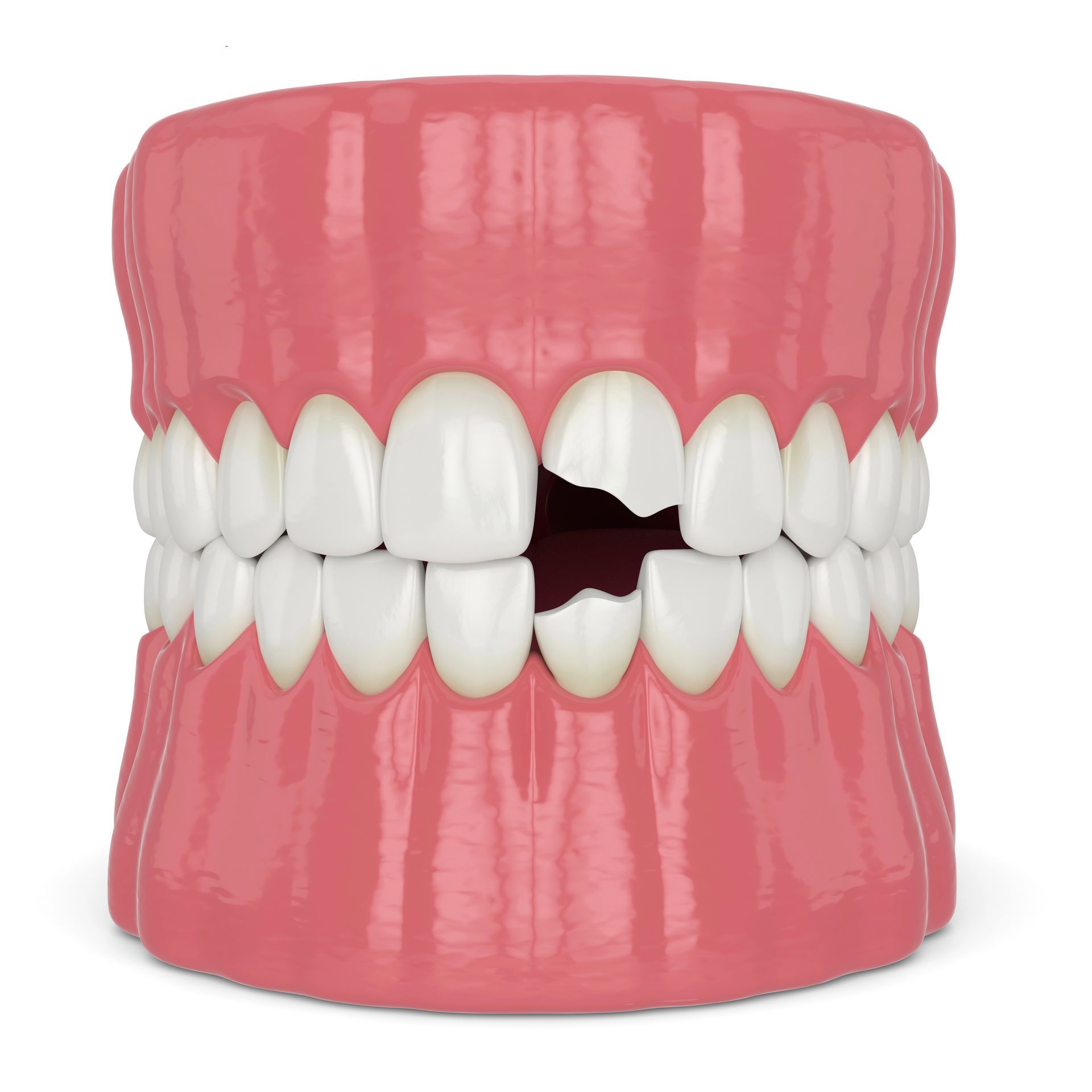
A dental accident can turn a normal day into a high-stress moment within seconds. For families searching for Knocked-Out Tooth in Boise, ID: Steps to Save Your Smile, the most important fact is simple: this is a true dental emergency, and fast action can improve the tooth survival rate. When a tooth is fully displaced, it is called an avulsed tooth. This guide explains how to preserve the tooth, protect the tooth socket, and get urgent dental evaluation in Boise, ID before valuable time is lost. Introduction: Why Fast Action Matters The first few minutes after a knocked-out tooth often shape the prognosis. Time-sensitive treatment matters because the periodontal ligament cells on the root can begin to fail if the tooth dries out. If you can find the tooth quickly, handle by the crown, and get same-day dental care, reimplantation may still be possible. This article shows the safest first aid steps to take before reaching an office and explains why a knocked out permanent tooth is handled differently from a knocked out baby tooth. What This Guide Helps Readers Do You will learn what to do in order, even if you are shaken up after the injury. The goal is to clean the tooth only if necessary, keep the tooth moist, and avoid mistakes that reduce healing potential. You will also see when not to reinsert the tooth at home. That distinction is especially important when the injured tooth may be a baby tooth rather than a permanent tooth. What to Do Immediately After a Tooth Is Knocked Out Stay calm and move step by step. The best outcomes usually happen when treatment starts within 30 minutes, though some teeth may still be helped if care begins within 60 minutes. Step 1: Find the Tooth and Pick It Up Correctly First, find the tooth and pick it up only by the crown. Do not touch the root, because that can damage the periodontal ligament and lower the chance of successful reimplantation. If dirt is present, rinse gently with milk or saline. Do not scrub the tooth, do not use soap, and do not scrape the surface. Step 2: Try to Reinsert the Tooth If It Is a Permanent Tooth If it is clearly a permanent tooth and the person is alert, gently reinsert the tooth into the socket in the correct direction. Once it is seated, bite down gently on gauze to help keep it stable on the way to the dentist. Step 3: Keep the Tooth Moist If Reinsertion Is Not Possible If you cannot reinsert the tooth, store in transport medium right away. Milk and saline are preferred, and inside the cheek may work only if the person can do so safely without swallowing it. Never let the tooth dry out. Do not wrap in tissue, and do not leave it exposed on a counter, in a pocket, or in a car. How to Control Bleeding and Reduce Pain Use clean gauze over the socket and apply gentle pressure to control bleeding. A cold compress on the outside of the cheek can help limit swelling and make the area more comfortable. If needed, over-the-counter pain relief may help, provided it is safe for the patient and used as directed. Avoid aspirin for active bleeding unless a medical professional has advised otherwise. When Home Care Is Helpful but Not Enough First aid supports the tooth, but it does not replace an emergency dentist. Even if pain improves, socket trauma, gum injury, soft tissue injury, or damage to neighboring teeth may still be present. Avoid eating, smoking, or repeatedly touching the area. Those steps can worsen bleeding, increase irritation, and interfere with healing. Common Mistakes That Can Make the Tooth Unsalvageable Some errors can sharply reduce the chance to save your smile. In an emergency, simple warnings are easier to remember than complicated instructions. Avoid These Critical Errors Do not touch the root or scrub the tooth. Do not wrap in tissue, and do not store it in plain water for long periods because that can harm delicate cells. Do not force a tooth into a badly damaged socket. Do not try to reinsert a baby tooth, since that can injure the developing permanent tooth underneath. Do not delay care because the mouth “looks okay.” Root damage, socket trauma, and bite problems are not always obvious without an exam. Permanent Tooth vs. Baby Tooth: Why the Response Is Different A permanent tooth may sometimes be replanted if handled correctly and treated quickly. A baby tooth generally should not be put back into place because of the risk to the adult tooth developing below. Age can offer clues, but it does not always confirm tooth type. If there is any doubt, call a dentist immediately and bring the tooth with you. If a Child Knocks Out a Tooth Parents should still seek prompt care after a knocked out baby tooth. The dentist may need to check for gum injury, bone injury, or damage to nearby teeth that could affect future oral health. Dental X-rays may be needed to look for hidden problems. This is especially important if part of the tooth may remain in the socket or if the child has lip or cheek injuries. What the Dentist Will Check The exam may include the tooth socket, neighboring teeth, bite alignment, and any soft tissue injury. Dental X-rays can help identify root damage, fractures, and hidden socket trauma. If the tooth can be stabilized, the dentist may place a splint and outline follow-up care to monitor healing. If reimplantation is not possible, tooth replacement options may include a dental implant or dental bridge, and you can review restorative outcomes in the smile gallery or see examples related to cerec sameday dental crowns bridges. When to See an Emergency Dentist in Boise, ID You should seek same-day dental care immediately after the injury, even if bleeding slows or the tooth has been placed back in the socket. For urgent guidance in Boise, ID, call 208-254-5576 and request an emergency visit. Dr. David Cantwell provides emergency evaluation and treatment planning based on the condition of the tooth, socket, and surrounding tissues. You can also learn more about Emergency dentistry , reach the office through the contact page , or explore Atlantis Dental Care . FAQs How do you preserve a tooth that has been knocked out? Pick it up by the crown, not the root. If it is a permanent tooth, try to place it back in the socket, or keep it moist in milk or saline and get to a dentist immediately. At what point is a tooth not savable? A tooth may be harder to save if it has been out too long, dried out, has severe root damage, or the socket is badly injured. A dentist must assess the tooth to confirm prognosis. How much does it cost to replace a knocked-out tooth? Cost depends on whether the tooth can be replanted or needs tooth replacement. Options may include a dental implant, dental bridge, or other treatment discussed after the emergency exam.
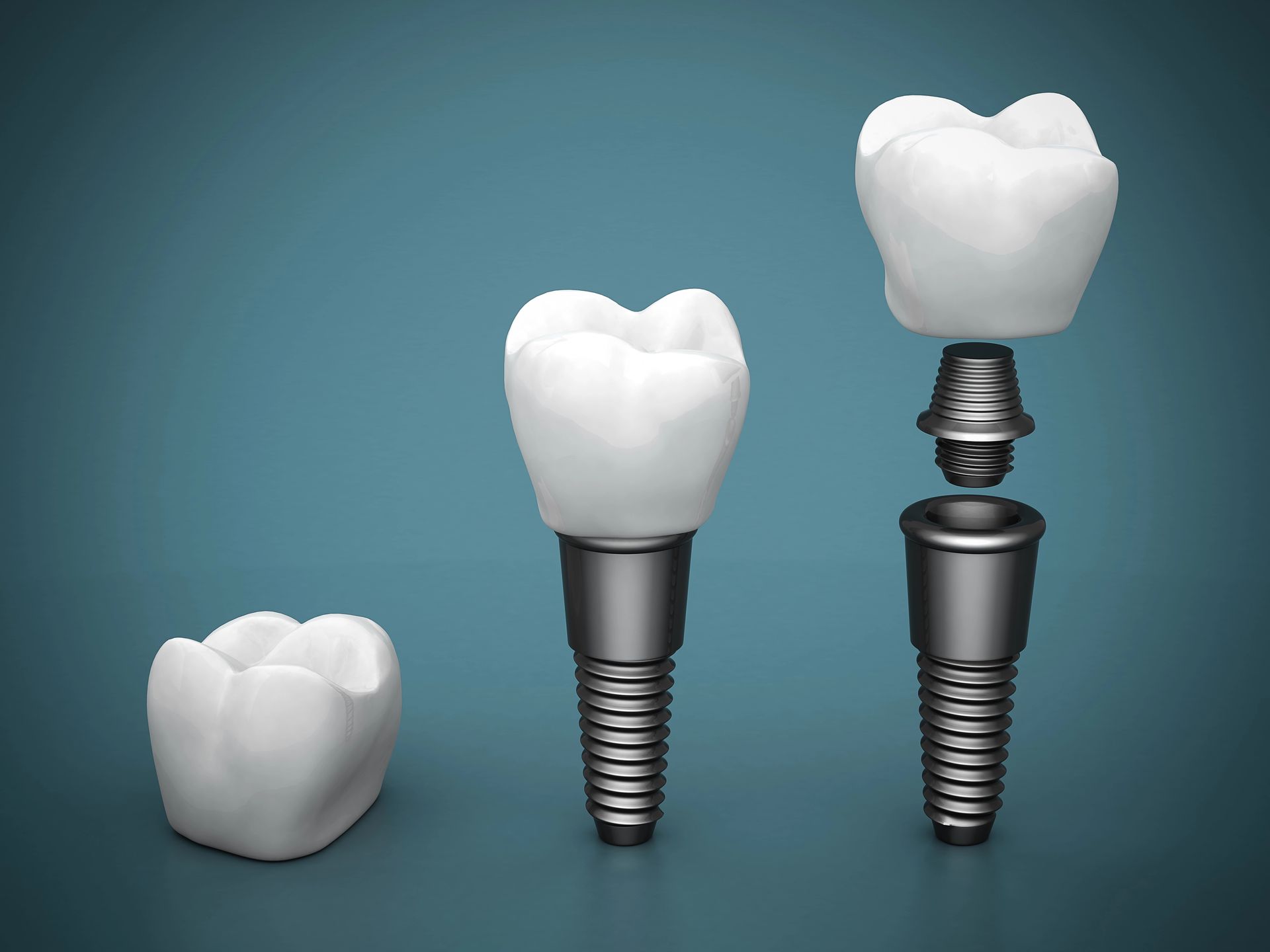
Curious about the dental implant process in Boise? Learn each step, recovery time, and what to expect before getting implants.
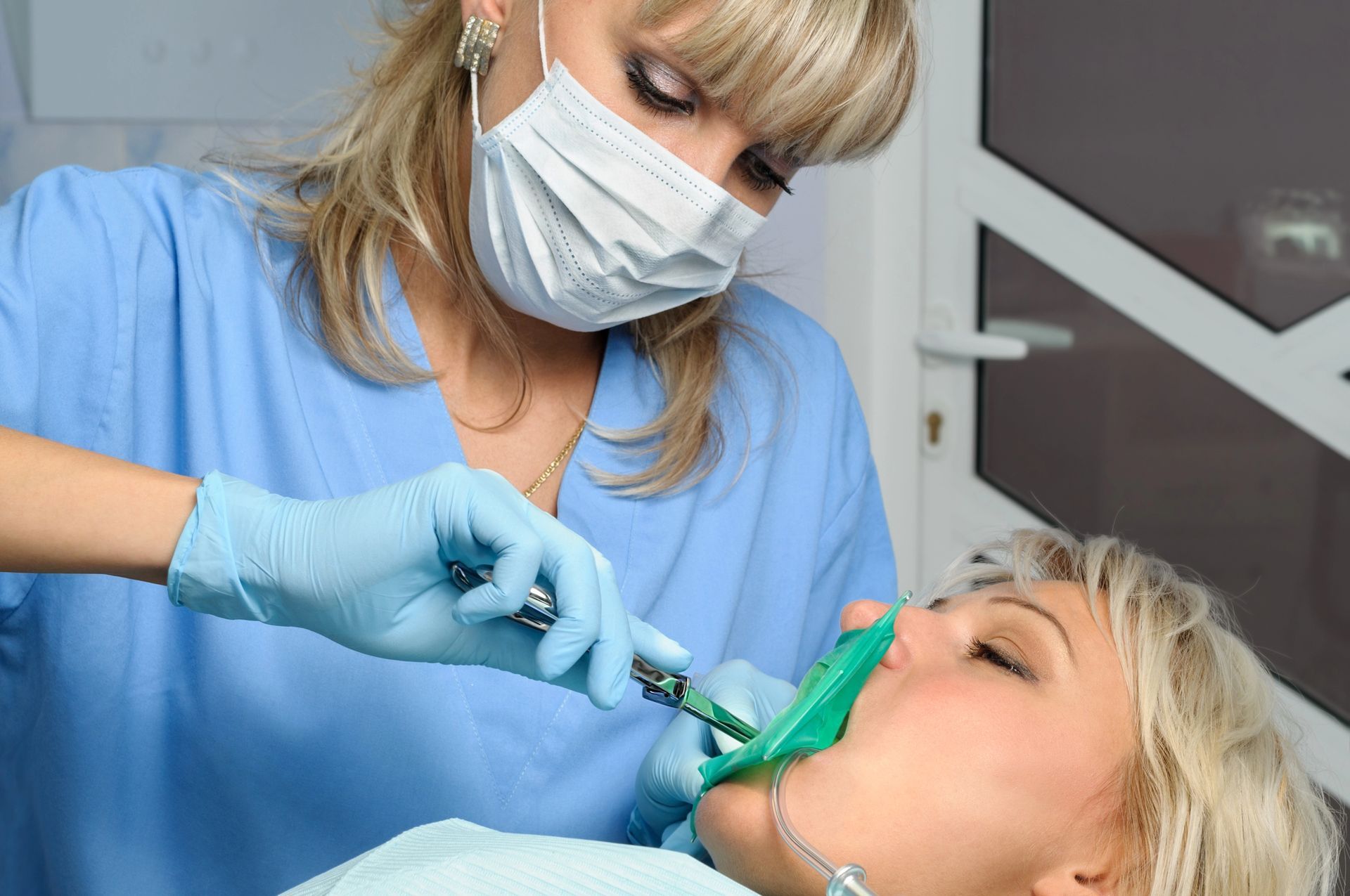
A toothache that won’t quit, a wisdom tooth that keeps flaring up, or a cracked molar that suddenly breaks can leave you wondering whether a regular dental visit is enough. For many Boise patients, clarity comes from understanding When Is Oral Surgery Necessary? Common Procedures in Boise, ID Explained, especially when symptoms point to infection, complex extractions, or tooth replacement needs. This guide explains what qualifies as oral surgery, how dentists decide, which procedures are most common locally, and what recovery typically looks like. What Counts as Oral Surgery (and When It’s Recommended) Oral surgery is a category of dental procedures that treat teeth, gums, the jawbone, or oral tissues when the work goes beyond routine dentistry like fillings or standard crowns. It often involves removing or reshaping tissue or bone, managing complex infection, or placing tooth replacements such as dental implants. The decision point is usually predictability and safety. If a tooth has severe tooth decay, deep infection, complicated roots, or proximity to nerves or sinuses, a surgical approach may reduce risk compared to forcing a “routine” fix. Oral surgery can be performed by a general dentist or by an oral and maxillofacial surgeon, depending on complexity and sedation needs. A referral is typical when the case involves impacted wisdom teeth, difficult tooth extraction, advanced bone grafting, or higher medical risk. If you’re in Boise, ID and symptoms are lingering or worsening, schedule an evaluation rather than guessing. For an appointment or questions, call 208-545-3131, or visit Atlantis Dental Care to request a consultation. Signs You May Need an Oral Surgery Evaluation Persistent symptoms are often the clearest signal that something more than routine care is going on. An evaluation is especially important if you notice: Persistent pain, swelling, drainage, fever, or a bad taste that can suggest infection or a dental abscess. Impacted teeth, severe crowding, or teeth that can’t be restored predictably after fracture, repeated fillings, or a failed root canal. How Your Dentist Confirms the Need Your dentist typically confirms the need for oral surgery with a clinical exam plus imaging. Most cases start with dental X-rays, and CBCT may be recommended when nerve position, sinus anatomy, root shape, or jawbone volume must be mapped more precisely. You should also expect a risk and benefit discussion before treatment planning is finalized. This includes alternatives, ideal timing, expected outcomes, and what could change the plan on the day of the procedure. Step-by-Step: How Dentists Decide Between Routine Care and Surgery Dentists generally follow a consistent decision process to determine whether a condition can be treated conservatively or needs a surgical approach. That process usually looks like this. Step 1: Diagnose the problem and identify the goal (save the tooth, remove infection, replace the tooth, or protect jawbone and surrounding teeth). Step 2: Evaluate complexity (root shape, bone level, proximity to nerves or sinus, mouth opening, and medical history). Step 3: Choose the safest treatment path and a sedation and anesthesia plan that matches the procedure and patient needs. Dr. David L. Cantwell can walk you through these options in plain language and coordinate referrals to an oral and maxillofacial surgeon when appropriate. If you want to discuss Boise tooth extractions, wisdom teeth removal, or dental implants, you can start by calling 208-545-3131. Common Oral Surgery Procedures in Boise, ID (What They Treat) The most common oral surgery needs seen in Boise, ID tend to mirror what shows up across competitor SERPs: tooth extraction (including wisdom teeth removal), dental implants, and treatment of oral infections. Many visits also include bone-related procedures that support long-term tooth replacement success. A key distinction is the difference between a simple extraction and a surgical extraction. A case becomes “surgical” when access is limited, the tooth is broken or below the gumline, roots are curved or complex, bone removal is needed, or the tooth must be sectioned for safe removal. Most patients can expect a predictable visit flow. It usually goes consultation, procedure day, aftercare with post-op instructions, and then a follow-up when needed to confirm healing. If your symptoms match what’s described below, a consult can prevent delays and reduce complication risk. Call 208-545-3131 to schedule, or use the online contact page. Tooth Extractions: Simple vs Surgical A tooth extraction is recommended when a tooth can’t be restored predictably or when keeping it could threaten surrounding tissues. The goal is to remove the problem tooth while protecting the jawbone and planning for what comes next, which may include implants or a bridge. A simple extraction is typically used when the tooth is visible, roots are straightforward, and minimal bone removal is expected. A surgical extraction is more likely when the tooth is broken, heavily decayed, has curved roots, sits below the gumline, or requires sectioning to remove safely. Wisdom Teeth Removal (Impaction and Prevention) Wisdom teeth removal is often recommended when third molars are likely to cause repeated problems. Impacted wisdom teeth can be trapped in the jawbone or under gum tissue, and impaction can lead to infection, damage to adjacent teeth, and hard-to-clean areas prone to tooth decay. Common reasons for removal include impaction, repeated inflammation, infection, cyst risk, and decay on adjacent molars. Timing matters because earlier removal can reduce complication risk in some patients, especially when roots are still developing and bone is more flexible. Dental Implants and Bone-Related Procedures Dental implants are considered when one or more teeth are missing, when a bridge is failing, or when a tooth is planned for extraction and you want a fixed replacement. Implant planning focuses on bone volume, bite forces, gum health, and long-term cleanability. Related procedures may include bone grafting, socket preservation, and a sinus lift when the upper back jaw lacks bone height. If you want to read more about specific bone procedures, see ridge augmentation and sinus lift resources, or browse the main oral surgery page for options. Treatment of Oral Infections and Pathology Concerns Treatment of oral infections may require more than antibiotics alone. A dental abscess may need incision and drainage, plus extraction or coordination of a root canal depending on whether the tooth can be saved. Oral lesions should also be evaluated promptly, especially if they persist, grow, bleed, or do not heal. Your dentist may recommend cancer screening steps, monitoring, or biopsy and referral when the tissue appearance raises concern. Boise Patient Scenarios and Key Takeaways (When to Call) Real-world cases help clarify when oral surgery is likely. These scenarios are common in Boise and are typical reasons patients move from routine dental care to a surgical consult. A cracked molar that breaks below the gumline and can’t hold a crown, leading to a surgical extraction and future implant planning. Repeated wisdom tooth infections with gum swelling behind the molars, often tied to impacted wisdom teeth or partial eruption and chronic inflammation. A tooth with a failed root canal and recurring infection, where retreatment isn’t predictable and extraction plus replacement becomes the safer path. Facial swelling from a dental abscess, which may require urgent infection control, drainage, and definitive treatment of the source tooth. Use practical decision guidance if you’re unsure what to do next. Watch only if symptoms are mild and improving, schedule soon if symptoms persist or recur, and seek urgent care if breathing, swallowing, or swelling is escalating. Key takeaways you can act on right away: Symptoms to take seriously: persistent pain, swelling, drainage, fever, bad taste, or facial swelling. Common procedures: tooth extraction (simple extraction or surgical extraction), wisdom teeth removal, dental implants, bone grafting, socket preservation, and treatment of oral infections. Next steps: book a consultation, ask what imaging is needed (dental X-rays vs CBCT), and confirm your sedation and anesthesia plan and post-op instructions. For questions, call 208-545-3131 . Dr. David L. Cantwell can review your case, explain options clearly, and help coordinate surgical care when a referral is the safest route. When is oral surgery necessary? Oral surgery is necessary when a dental problem can’t be treated predictably with routine care or when the safest solution involves surgical access, bone management, or advanced infection control. Common reasons include surgical extractions, impacted wisdom teeth, dental implants with bone grafting or socket preservation, and significant infections such as a dental abscess. If you want an expert opinion tailored to your symptoms and imaging, schedule a consultation through contact or call 208-545-3131. Conclusion: The Right Time for Oral Surgery Is Usually “Before It Becomes an Emergency” Oral surgery is recommended when a problem can’t be resolved safely with routine dentistry—or when waiting increases the risk of infection, bone loss, or more complicated treatment. In Boise, the most common surgical needs include removing teeth that can’t be restored, addressing impacted wisdom teeth, placing implants (often with grafting or socket preservation), and treating infections or suspicious tissue changes. If you’re unsure where your symptoms fall, a simple rule helps: Mild and improving: monitor closely and keep your dentist informed. Persistent, recurring, or worsening: schedule an evaluation soon. Rapid swelling, fever, trouble swallowing/breathing, or uncontrolled bleeding: seek urgent care. To discuss your situation, call 208-545-3131 or request an appointment through contact. Dr. David L. Cantwell can review your symptoms and imaging, explain options clearly, and help coordinate surgical care when it’s the safest route.
